The Future of Sustainable Housing in Sierra Leone
Exploring how eco-modern home designs are transforming residential development across Freetown and beyond.

Fatmata Kamara
Director of Real Estate, TpESTATE
Introduction to Sustainable Housing
Sierra Leone's housing sector is experiencing a transformative shift towards sustainability and modern design. As urbanization accelerates across Freetown and regional cities, the demand for eco-friendly, affordable housing solutions has never been greater. This article explores how TpESTATE and other forward-thinking developers are addressing this challenge through innovative architectural approaches and sustainable building practices.
The traditional approach to housing development in Sierra Leone has often prioritized speed and cost over long-term sustainability. However, rising energy costs, environmental concerns, and a growing middle class with sophisticated housing expectations are driving a fundamental rethinking of how we build homes in West Africa.
Key Features of Eco-Modern Design
Eco-modern housing in Sierra Leone incorporates several critical design elements that balance aesthetics, functionality, and environmental responsibility:
1. Passive Cooling and Natural Ventilation
Given Freetown's tropical climate, effective passive cooling is essential. Modern designs incorporate strategic window placement, elevated ceilings, and cross-ventilation systems that reduce reliance on air conditioning. These features can cut energy consumption by up to 40% compared to traditional designs.
2. Solar Energy Integration
With abundant sunshine year-round, solar panels are becoming standard in new developments. TpESTATE's Kent Master Plan includes pre-wired solar infrastructure in all units, allowing homeowners to easily add renewable energy systems. This forward-thinking approach addresses Sierra Leone's ongoing electricity challenges while reducing long-term operating costs.
3. Water Management Systems
Sustainable housing developments now incorporate rainwater harvesting systems, water-efficient fixtures, and proper drainage infrastructure. These systems are particularly important during Freetown's intense rainy season and help address water security concerns.
The Kent Master Plan Case Study
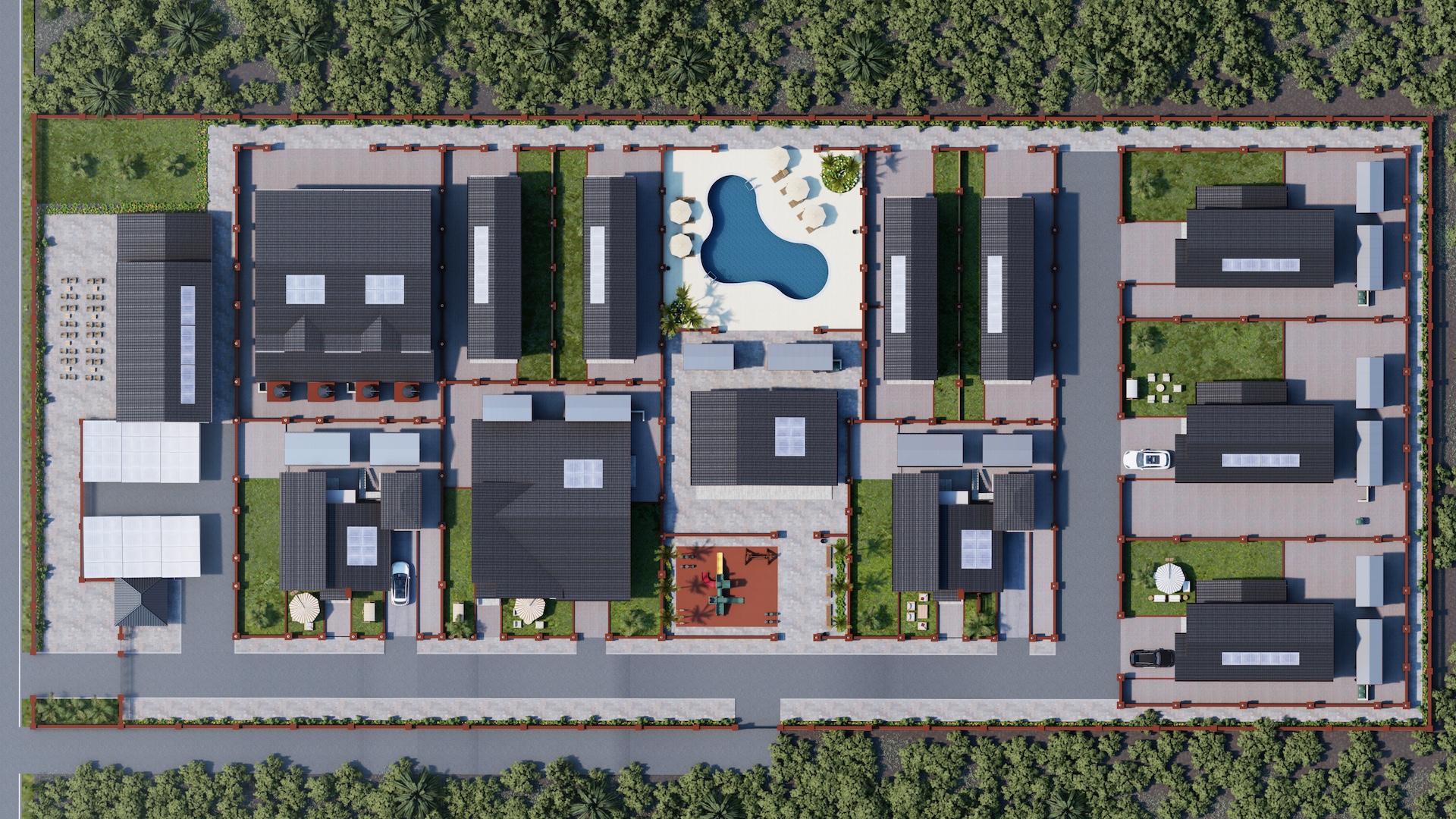
TpESTATE's Kent Master Plan represents a comprehensive application of these sustainable design principles. Located in a rapidly developing area of Freetown, the development features 150 residential units designed to meet international green building standards while remaining affordable for Sierra Leone's growing middle class.
Each home in the Kent development includes energy-efficient windows, LED lighting throughout, low-flow plumbing fixtures, and locally-sourced building materials that reduce the project's carbon footprint. Community amenities include green spaces, children's playgrounds, and a community center powered entirely by renewable energy.
Economic Benefits of Sustainable Housing
While eco-modern homes may have slightly higher upfront costs, the long-term economic benefits are substantial. Homeowners in sustainable developments typically see:
- 30-50% reduction in monthly utility costs
- Higher property values and faster appreciation
- Lower maintenance costs due to quality materials
- Improved indoor air quality and health outcomes
- Greater resilience to power outages and water disruptions
Challenges and Solutions
Despite the clear benefits, sustainable housing development in Sierra Leone faces several challenges. Import duties on green building materials, limited local expertise in sustainable construction techniques, and financing barriers can complicate projects.
However, innovative developers are addressing these obstacles through partnerships with international green building organizations, training programs for local contractors, and flexible financing arrangements that make sustainable homes accessible to more buyers.
Looking Ahead
The future of housing in Sierra Leone is undeniably sustainable. As more developments like the Kent Master Plan demonstrate the viability and benefits of eco-modern design, we expect to see these practices become standard rather than exceptional.
Government support through green building incentives, continued innovation in affordable sustainable technologies, and growing consumer demand for environmentally responsible housing will drive this transformation. Sierra Leone has the opportunity to leapfrog traditional development patterns and establish itself as a leader in sustainable housing for West Africa.
Fatmata Kamara
Director of Real Estate, TpESTATE